
How Long Does a Fence Last? Lifespan by Material and Maintenance
If you are wondering ‘how long does a fence last’, the evidence is in the details, material type, installation quality, drainage, and ongoing upkeep. Wood can last for decades with proper care, vinyl and aluminum often last longer with less maintenance, and chain link can hold up well when posts and coatings stay protected. This guide explains what shortens fence life, what extends it, and when repair makes more sense than replacement.
A fence is one of those upgrades you forget about when it is working, and notice immediately when it is not. Leaning sections, loose posts, rot at the bottom rails, or gates that drag all raise the same question, how long should a fence like this last, and what can you do to get more years out of it?
At Patriot Fence, the focus is on practical, long term results for homeowners and businesses. Fence lifespan is not just about the material you pick, it also comes down to how the fence is installed, what the ground conditions look like, and how consistently it is maintained.
What really determines how long a fence lasts
Two neighbors can install the same type of fence and get completely different results. That is because fence lifespan is driven by a handful of factors that compound over time.
Material type matters, but it is not the whole story
Wood, vinyl, aluminum, and chain link all age differently. Wood is more sensitive to moisture and sun exposure, vinyl is more sensitive to installation quality and temperature swings, aluminum resists rot and corrosion, and chain link holds up well when the posts, top rail, and coating stay intact.
Installation quality is a multiplier
Even the best materials can fail early if posts are not set correctly, if drainage is signaling trouble from day one, or if gates are not framed and hung properly. A long lasting fence starts with a level line, properly set posts, and the right structure for the site.
If you are planning a new build, professional fence installation helps avoid the common issues that shorten fence life, like premature leaning, shifting, and hardware strain.
Weather, moisture, and drainage are the silent killers
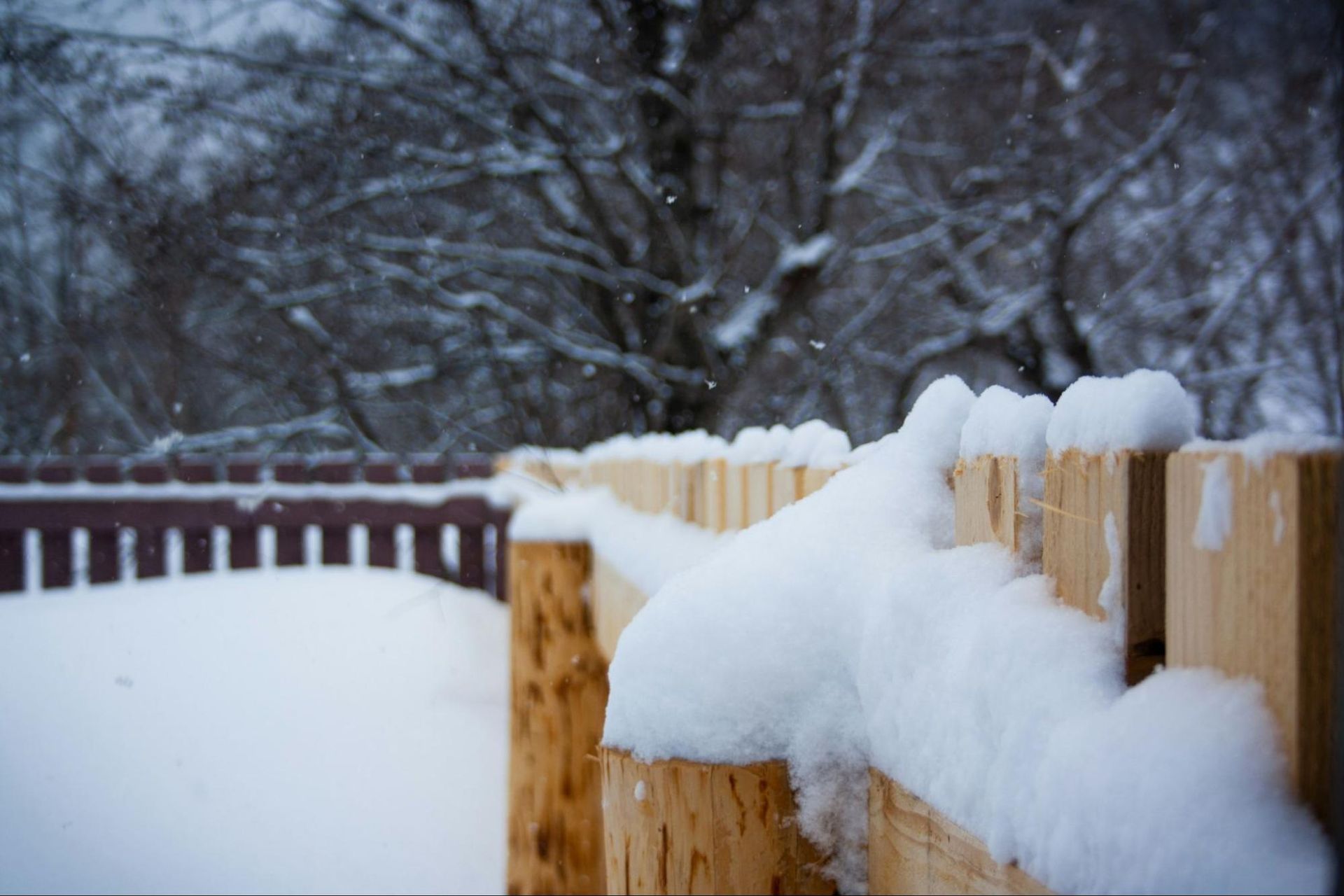
Many fence failures start at ground contact. Soil that stays wet, areas where snow piles up all winter, or yards that hold water after storms can accelerate rot for wood and corrosion for metal components. If sprinklers consistently spray your fence line, that can also add years of wear in a shorter time.
Maintenance is not optional if you want maximum lifespan
Some fence types need more attention than others, but all fences benefit from a basic routine. Catching early issues, like a loose hinge or a cracked board, prevents bigger problems, like a gate that tears posts out of alignment or rot spreading across rails.
How long does a wood fence last?
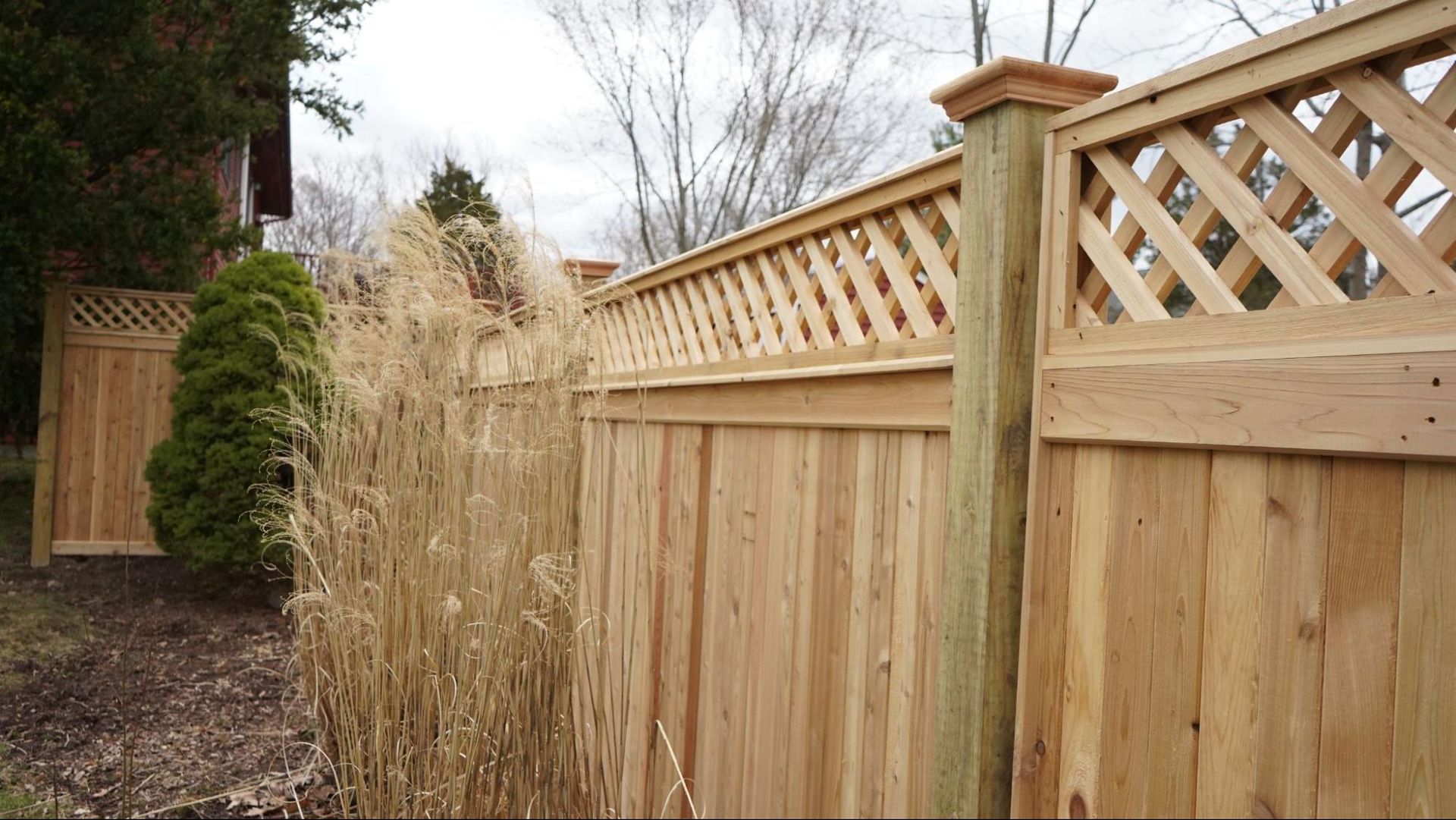
Wood fences are popular because they look great, offer privacy, and can be customized. Their lifespan depends heavily on the wood species, and how the fence is protected from moisture and sun.
What shortens the life of a wood fence
Wood fails most often in predictable places, the bottoms of pickets, the base of posts, and horizontal rails where water can sit. If the fence line is shaded and stays damp, rot can develop faster. If the fence is exposed to full sun, boards can dry out, warp, and split without a consistent protection plan.
What extends the life of a wood fence
Keeping wood off constant moisture is the goal. Proper post setting, grade management, and choosing the right finish make a big difference. Staining or sealing on a consistent schedule helps protect the surface, reduces cracking, and slows down weathering. Trimming back vegetation so air can circulate also helps wood dry out after rain.
If your wood fence is already showing early signs of wear, targeted fence repair can often extend its useful life, especially when the structure is still sound and the damage is localized.
How long does a vinyl fence last?
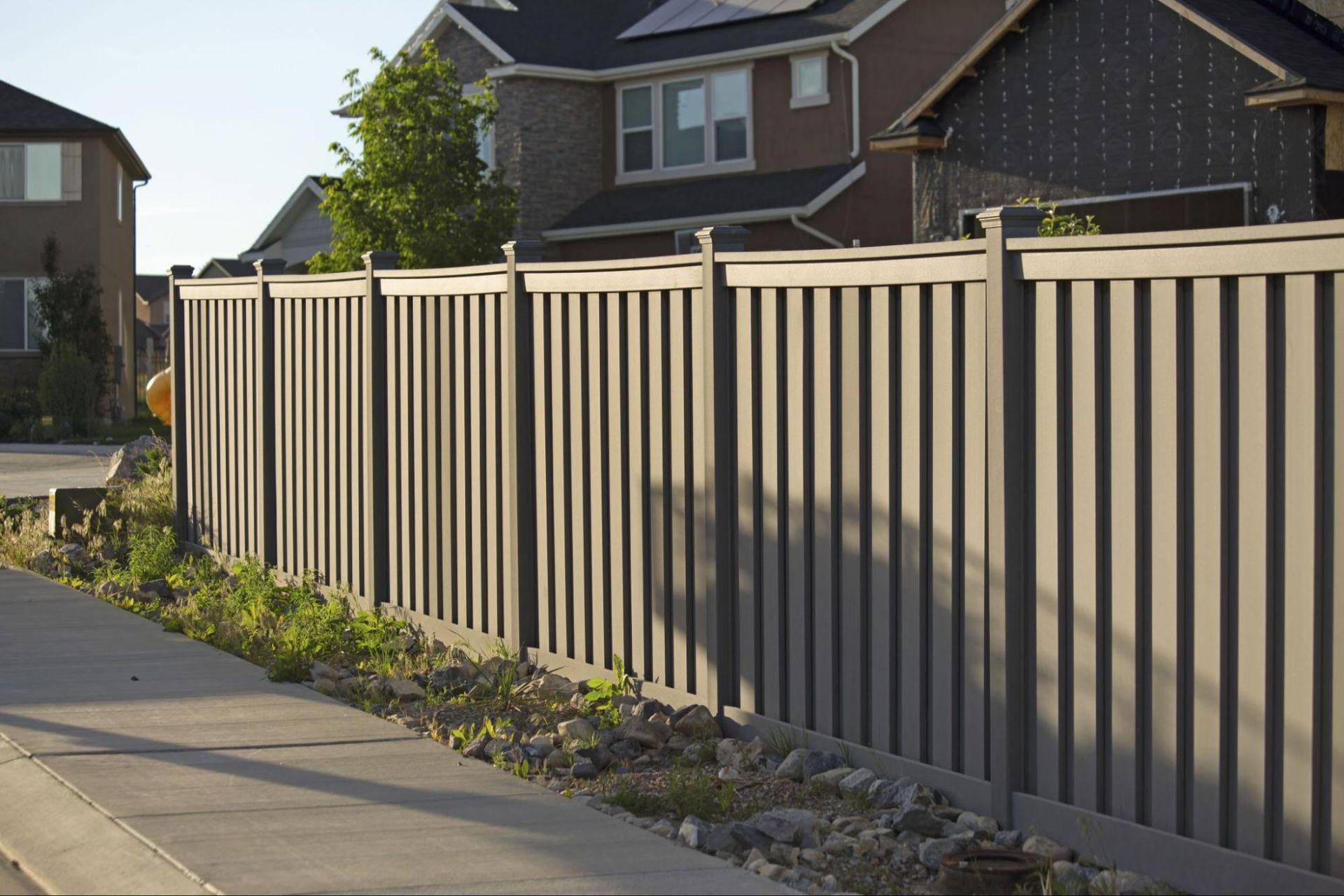
Vinyl is known for low maintenance and consistent appearance. It does not rot, and it is not vulnerable to insect damage the way wood can be. Vinyl fences typically last a long time, but their performance depends on installation quality and the grade of material used.
What can cause vinyl to fail early
Vinyl can become brittle over time if it is exposed to extreme conditions and if the product quality is low. Poorly set posts can lead to movement that stresses panels. Gates that are not reinforced properly can sag over time and put strain on hinges and latches.
How to get more years from vinyl
Keep the fence clean, check gate hardware, and make sure the fence line is not being pushed by heavy snow piles or vehicles. The biggest life extender for vinyl is a structurally sound installation that minimizes movement and keeps panels aligned.
How long does an aluminum fence last?
Aluminum fencing is a strong choice for homeowners and commercial properties that want durability with a clean, modern look. Aluminum does not rot, and it resists corrosion well, especially when it has a quality protective finish.
Common aluminum fence issues to watch for
Most aluminum fence problems are not about the metal failing, they are about hardware, gates, and post stability. If posts shift, the fence can rack out of square. If a gate is heavy and not supported correctly, it can start to drag and stress the frame.
How to maximize aluminum fence lifespan
Do periodic checks on fasteners, hinges, and latches. Keep soil and mulch from piling against posts and bottom rails, and address any movement early so the fence stays straight and secure.
How long does a chain link fence last?
Chain link is a practical option for security, containment, and clear boundaries. It can last a long time when the framework is strong and the coating stays intact.
What shortens chain link fence lifespan
The most common issues involve rust on fittings or rails, and post movement that loosens the fabric. Coastal air, road salt, and persistent moisture can accelerate corrosion if protective coatings are compromised.
What helps chain link fences last longer
Keeping the posts solid, replacing worn fittings, and addressing early rust spots helps prevent larger failures. If a section is sagging, tightening the fabric and repairing hardware can restore performance without replacing the full fence line.
Signs your fence is near the end of its lifespan
Not every problem means you need a new fence. The key is to separate cosmetic aging from structural failure.
Structural warning signs
If multiple posts are leaning, if rails are pulling away, if gates will not stay aligned, or if sections are visibly shifting after storms, those are signs the structure is struggling. Wood that is soft at the base, metal components with widespread corrosion, or repeated fastener pull out can also indicate the fence is nearing the end of its useful service life.
Cosmetic aging that might not require replacement
Fading, surface checking on wood, minor warping, or a few damaged boards can often be addressed with repairs and maintenance. Many fences that look tired still have years left if the underlying structure is stable.
Repair vs replacement, how to decide
A simple way to evaluate is to ask two questions. First, are the posts stable. Second, is the damage isolated or widespread. If posts are solid and most of the fence is in good condition, repairs can be a smart investment. If the foundation of the fence is compromised across multiple sections, replacement may be more cost effective long term.
If you want a clear answer for your property, contact us to request guidance based on your fence type, layout, and site conditions.
How to make any fence last longer
Fence lifespan is rarely about one magic product. It is about consistent small actions that reduce stress and prevent moisture problems.
Keep the fence line clear
Plants growing into a fence trap moisture and add pressure. Keep shrubs trimmed back and remove vines that hold water against wood or coatings.
Watch water patterns around the posts
If your yard has drainage problems, water may be sitting at the base of posts. Over time, that can signal leaning, rot, and shifting. Adjusting grade, downspout direction, or landscaping near the fence line can reduce long term damage.
Inspect gates and hardware twice a year
Gates tend to show problems first because they move and carry weight. If hinges loosen or a latch starts to bind, the gate can pull posts out of alignment. Tighten hardware early to avoid bigger structural issues.
Handle small damage right away
A cracked board, a loose rail, or a bent fitting is usually inexpensive to fix. Left alone, it can signal water intrusion, movement, and wider structural wear.
When repairs are needed, fence repair can help extend the life of your fence and restore safety, function, and appearance without forcing a full replacement.
Frequently Asked Questions
How long does a fence last on average?
The average lifespan depends on the fence material, installation quality, and maintenance. A well built fence with stable posts and regular upkeep can last for decades, while a poorly installed fence in wet conditions can fail much sooner.
How long does a fence last if it is not maintained?
A fence that is ignored will usually lose years of service life. Wood can rot faster, gates can sag, and small structural issues can turn into post movement and misalignment. Even low maintenance materials benefit from basic inspections and quick fixes.
How long does a wood fence last compared to vinyl?
Wood lifespan varies widely based on moisture exposure and sealing habits, while vinyl generally holds up longer with less routine work. The best option depends on your goals, privacy needs, and how much maintenance you want to take on.
How long does a fence last in wet or coastal conditions?
Constant moisture, salt exposure, and poor drainage can shorten fence lifespan, especially at ground contact points and metal hardware. Choosing durable materials and addressing drainage early can help protect the fence line in harsher environments.
When should I repair a fence instead of replacing it?
If posts are stable and the damage is limited to a few sections, repairs can restore function and extend lifespan. If multiple posts are failing or the fence is showing widespread structural decline, replacement may be the better long term move. For a property specific recommendation, contact us.